

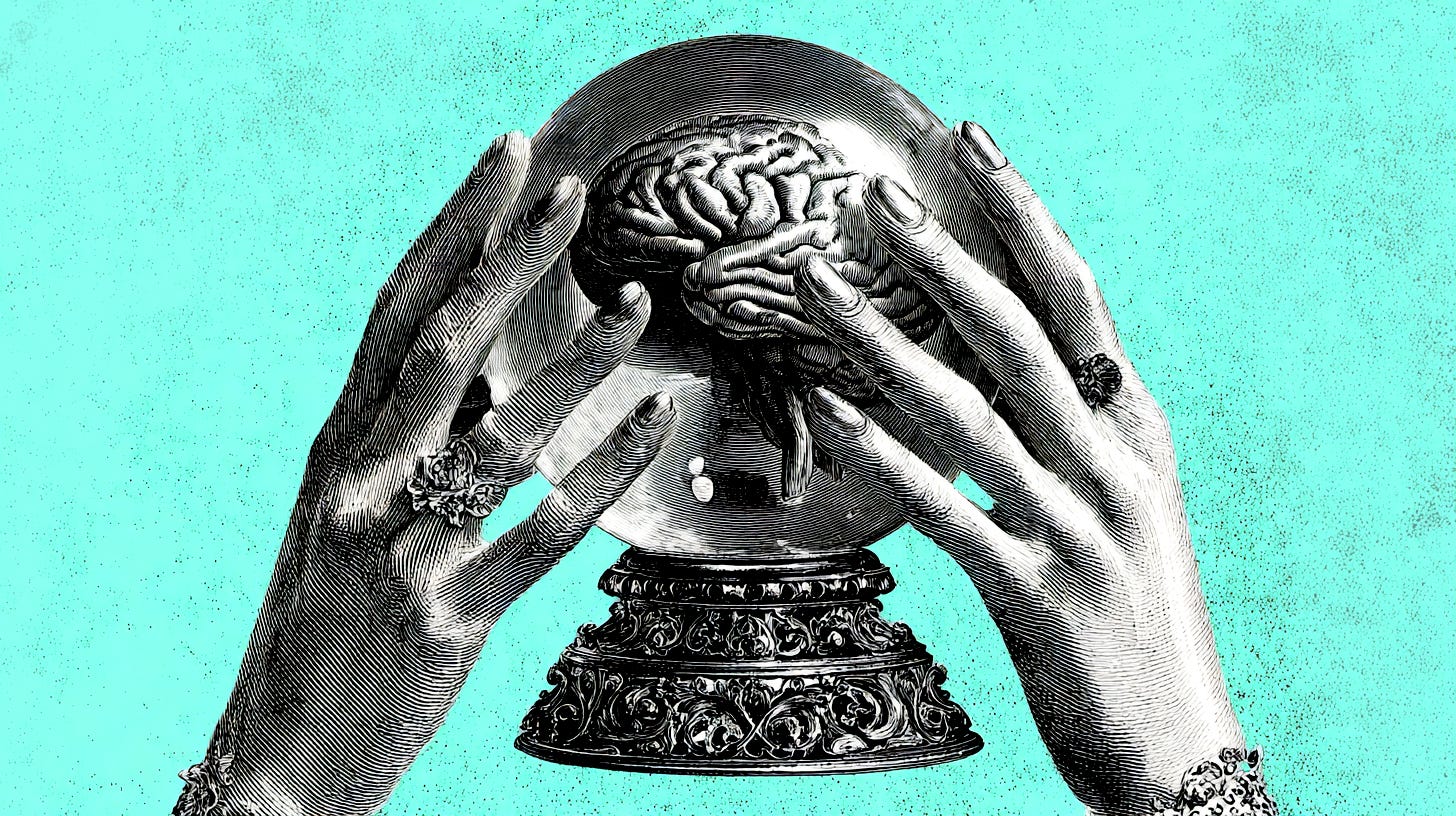
Infallible or absolute knowledge has never been demonstrated. Some theories are very strong, but even the strongest ones may turn out to be incorrect. As the pre-Socratic Greek philosopher Xenophanes of Colophon writes in the 6th century BC (as translated by philosopher Karl Popper in his 1963 book Conjectures and Refutations),
But as for certain truth, no man has known it,
Nor will he know it; neither of the gods,
Nor yet of all the things of which I speak.
And even if by chance he were to utter
The final truth, he would himself not know it:
For all is but a woven web of guesses.
Does this mean there is a limit on what can be achieved through science and human inquiry? In a narrow sense, yes: The pursuit of truth can probably never produce absolute and infallible knowledge. But in a much broader and more important sense, it means quite the opposite: Since there is no final conclusion of the project of better understanding the world, the scope and scale of knowledge can increase unboundedly.
As Popper writes,
But is there any danger that our need to progress will go unsatisfied, and that the growth of scientific knowledge will come to an end? In particular, is there any danger that the advance of science will come to an end because science has completed its task? I hardly think so, thanks to the infinity of our ignorance.
Some people conflate fallibilism with extreme skepticism. While fallibilism admits that knowledge is tentative and incomplete, skepticism in its most extreme form denies the existence of real knowledge altogether. These two views are incompatible and must not be conflated. In his 1993 book Kindly Inquisitors, Jonathan Rauch explains the distinction well:
In its most peculiar and extreme philosophical form, skepticism refers to the doctrine that we have no reason to believe anything, and so should believe nothing. That, however, is on its face an unsustainable argument. Believing nothing is impossible. Even the belief that you are justified in believing nothing is a belief. And even when we refuse to conclude, we do so only against the background of other conclusions. No one could possibly be a genuinely beliefless skeptic, even in principle.
The “skepticism” upon which liberal science is based is something quite different. (To distinguish it from the kind which says that we should never conclude anything, philosophers often call it “fallibilism.”) This kind of skepticism says cheerfully that we have to draw conclusions, but that we may regard none of our conclusions as being beyond any further scrutiny or change. … This attitude does not require you to renounce knowledge. It requires you only to renounce certainty, which is not the same thing.
The tentative, fallible knowledge that humans can create is far from illusory. Despite its incompleteness, it has enabled humans to live in outer space, split atomic nuclei, double human life expectancy, and achieve countless other feats that people from pre-scientific civilization would have found miraculous.
And thanks to the infinity of human ignorance, given the real tools of inquiry and discovery that can be deployed, infinitely more can yet be achieved.